Facial Steaming at Home: Shorter, Safer Sessions That Still Feel Special
Warm, humid air increases skin surface hydration temporarily and can make exfoliation or clay masks feel more comfortable afterward. Steaming does not “open pores” in the literal sense—pores do not have muscles—but many people enjoy the ritual and the sensory break.
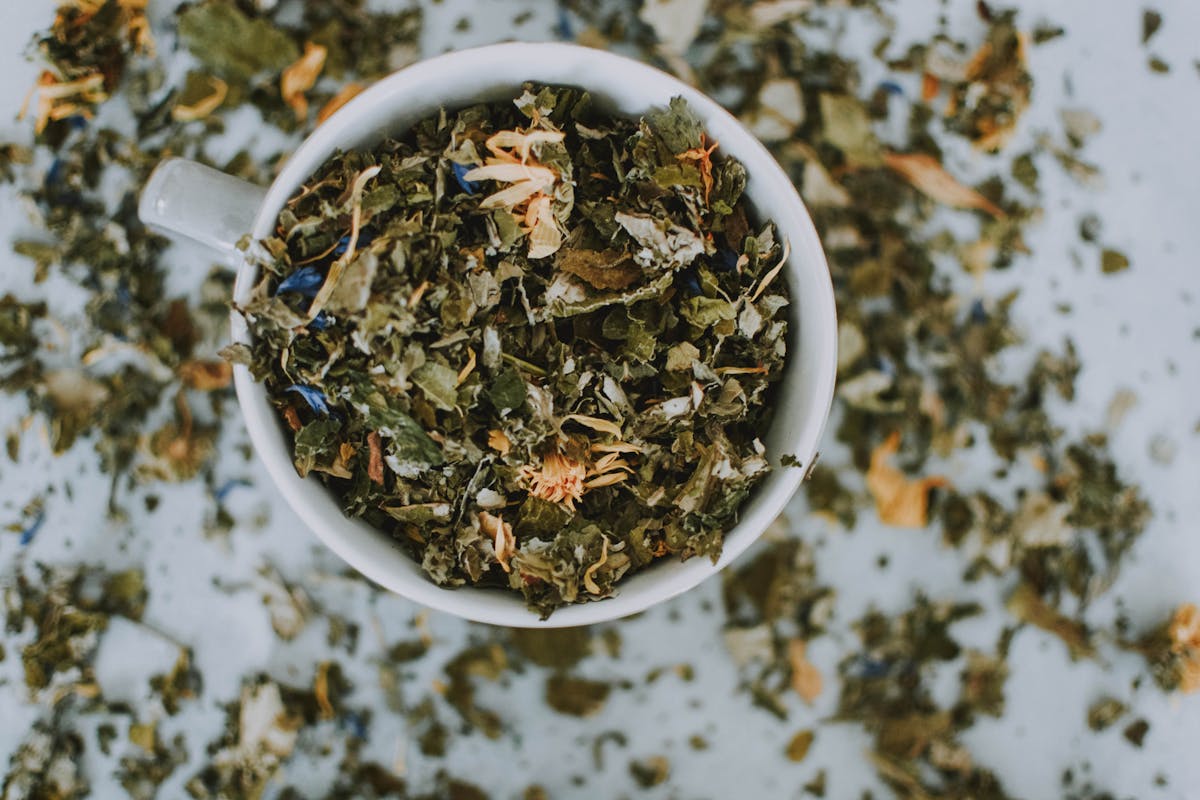
Boil water, transfer it to a heat-safe bowl, and wait until steam is strong but not violent. Optional: one chamomile or calendula tea bag for scent, not because the tea transforms outcomes. Drape a towel to trap steam, keep your face roughly eight to ten inches away, and stop at five to eight minutes.
Skip steaming if you have rosacea, active cystic acne, eczema flares, or broken skin—heat and friction can worsen inflammation. Step back immediately if you feel light-headed.
Follow with a simple moisturizer while skin is still slightly damp to reduce transepidermal water loss as you cool down.
Quick tip: Schedule steam before—not after—retinoids or strong acids; irritated skin and heat rarely mix well.
References & further reading
Permalink: https://beautysero.store/article.php?slug=herbal-steam-ritual